
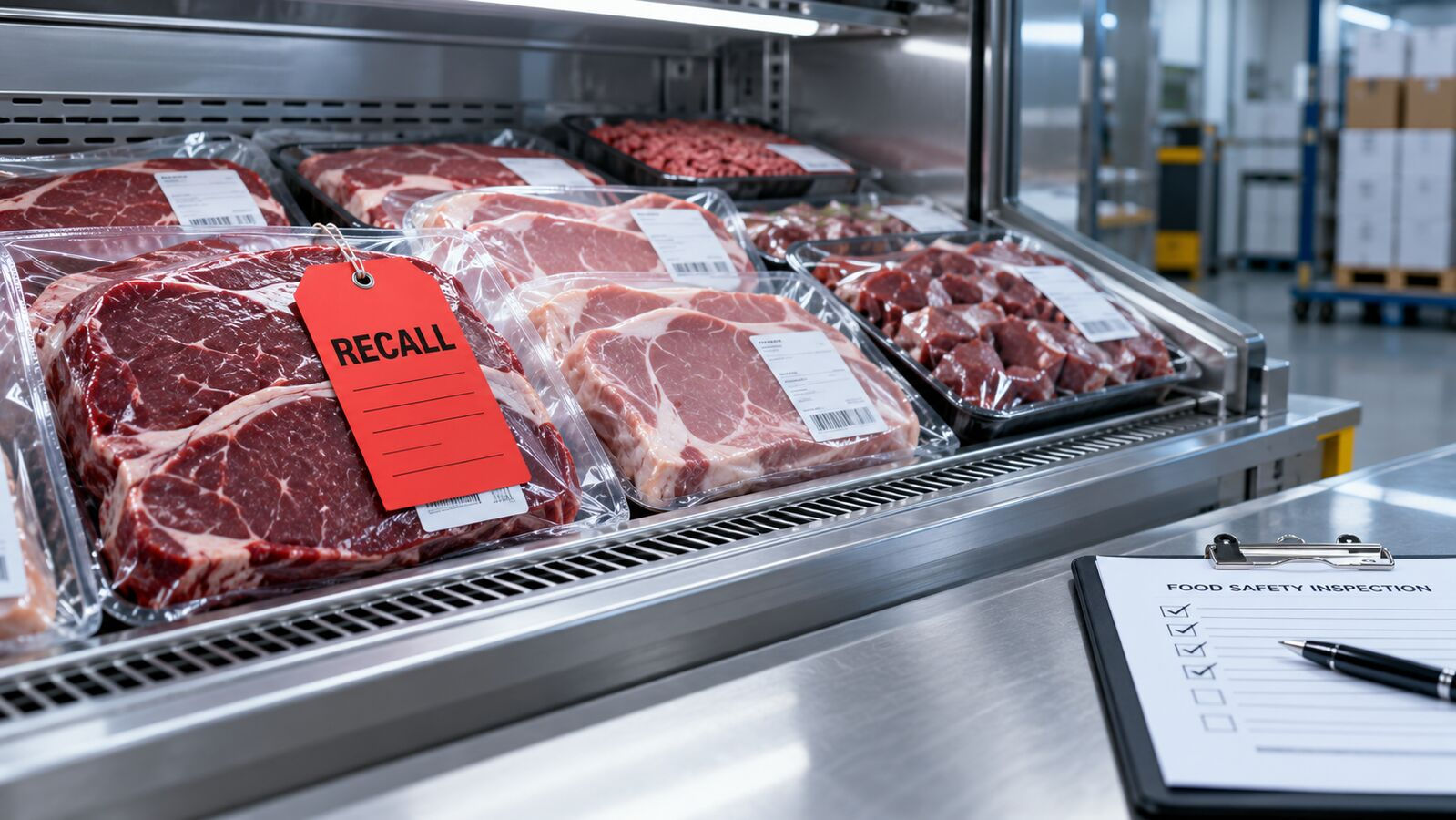
Star Meat Delivery Recalls 167,639 Pounds of Uninspected Meat

Updated: Oct 7
Star Meat Delivery Inc. is recalling approximately 167,639 pounds of raw pork, beef and goat products after federal officials determined that the products were produced without the benefit of federal inspection. The U.S. Department of Agriculture’s Food Safety and Inspection Service announced the nationwide action on September 22, 2026.
The recall covers a broad range of vacuum sealed products made on various dates before September 22. The list includes beef ribeye, chuck, oxtail, short ribs and shanks, along with ground pork, chorizo, pork chops, ribs, feet and Boston butt, plus several goat meat cuts.
FSIS said the affected products bear a false USDA mark of inspection containing the establishment number EST. 1363. That number does not have a federal grant of inspection, so the agency considers products carrying it misbranded and unsafe to eat.
The products were shipped through A&D Foods in Georgia to restaurants and retail locations nationwide. FSIS cautioned that stores may have repackaged individual portions with their own price and safe handling labels, which means some consumer packages may not retain the A&D Foods branding.
Restaurants, retailers and consumers should check refrigerators and freezers for the listed products and the EST. 1363 mark. FSIS advises that recalled meat should not be served or consumed and should instead be discarded or returned to the place of purchase.
No confirmed reports of illness or injury had been linked to the products when the notice was issued. The recall is based on the absence of required inspection and the false inspection mark, rather than on a specifically identified pathogen in the published notice.
For food businesses, the case highlights why supplier approval records, lot traceability and receiving checks need to extend beyond the immediate distributor. A product that looks commercially packaged can still create regulatory and operational exposure when the establishment information cannot be verified.
FSIS said it discovered the issue during routine surveillance and is conducting recall effectiveness checks. Operators that handled the products should preserve purchase and distribution records, isolate any remaining inventory and follow the agency’s updated recall instructions.


Comments