
Philippine Farm Exports Sink 26% While Overall Exports Surge
Philippine agricultural exports fell sharply in August even as the country’s broader export economy expanded, exposing a widening gap between farm trade and the manufacturing-led export boom.
New data from the Philippine Statistics Authority show agricultural export revenue dropped 26.1% from a year earlier to $554.70 million. That was the lowest monthly agricultural export value since January 2024.
Farm exports moved in the opposite direction from total exports
The contrast is striking. Total Philippine exports reached $9.11 billion in August, up strongly from $7.13 billion a year earlier, while agricultural exports fell from $750.57 million to $554.70 million.
Agricultural goods therefore accounted for just 6.1% of total exports during the month. Total agricultural trade, including imports, fell 8.5% year on year to $2.22 billion, the lowest level since July 2024.
Fruit remained the biggest agricultural export category
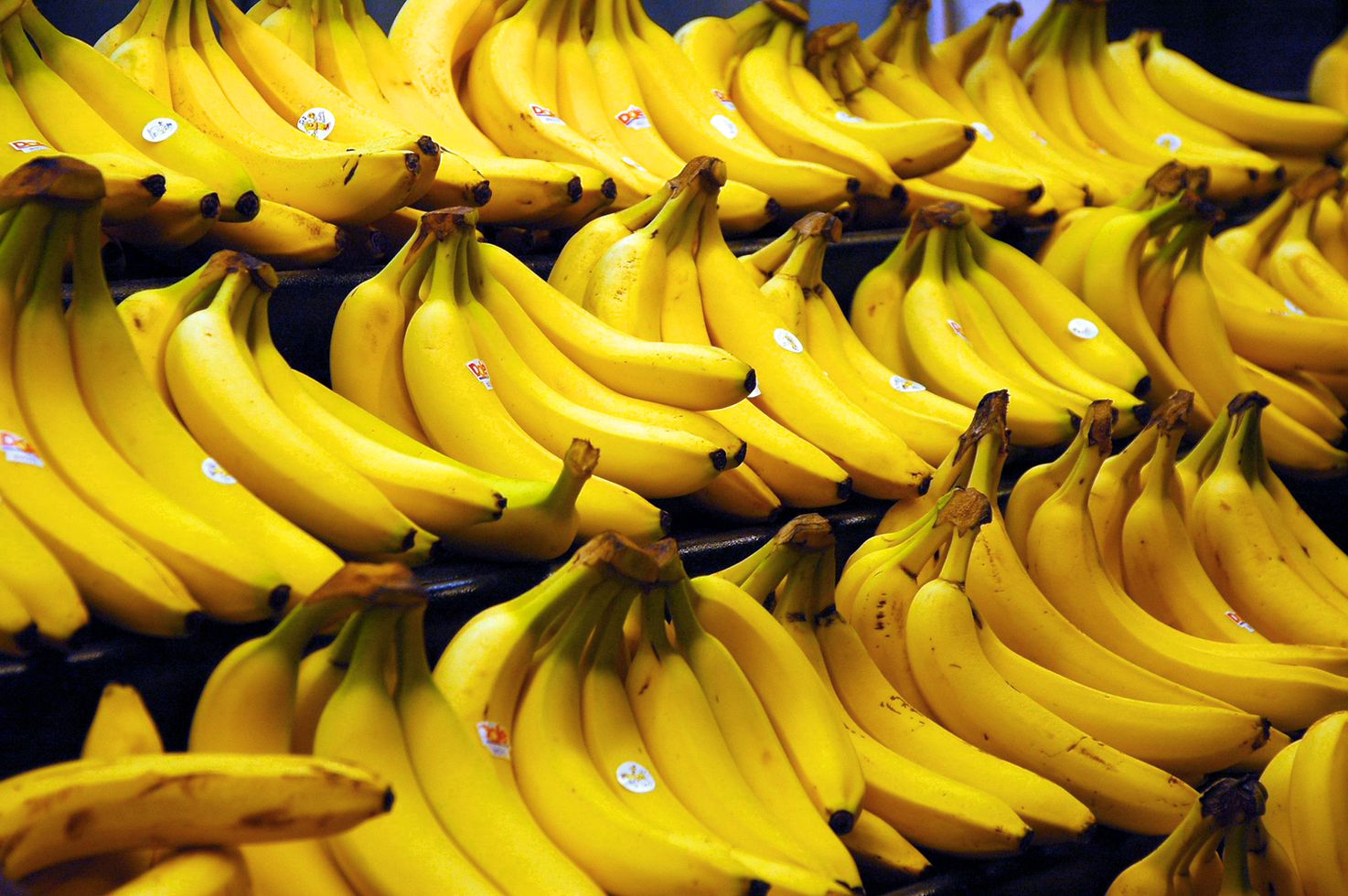
Edible fruit and nuts, including citrus and melon peel, generated $211.99 million and represented 38.2% of agricultural exports. That concentration matters because the Philippines remains heavily exposed to the performance of export crops such as bananas, pineapples, coconuts and other high-value produce.
The country also continued to run a large agricultural trade deficit. Agricultural imports totaled $1.67 billion in August, leaving the farm-goods trade balance at a deficit of about $1.11 billion, 20% wider than a year earlier.
The bigger question is whether the export strategy is translating into durable growth
The Department of Agriculture has spent the past two years pushing market diversification for bananas, mangoes, durian, ube and other high-value products. The August data show that opening new markets does not automatically translate into stronger aggregate farm exports.
For producers and exporters, the next test is whether recent gains in new destinations can offset weakness in larger established flows. For the wider economy, the data show that the Philippines’ export surge is being driven far more by manufactured goods than by agriculture.



Comments