
Low Cost Soil pH Sensor Runs for Months Without Recalibration

Updated: Oct 7
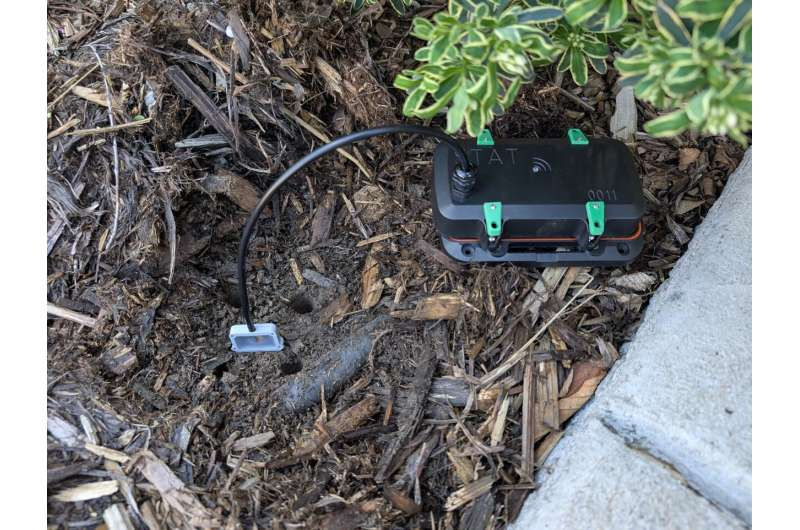
Researchers at the University of Colorado Boulder have developed a low cost electronic sensor that continuously measures soil pH for months across different soil conditions. The work addresses a persistent problem in digital agriculture, obtaining stable chemical measurements underground without frequent manual recalibration.
Soil pH affects nutrient availability, microbial activity and crop growth, but conventional glass electrode probes can be fragile and prone to drift. That makes long term field deployment difficult, especially when instruments are spread across large areas.
The new device uses a pH sensitive dye called alizarin in a screen printed electrochemical sensor. The research team redesigned the system around a circuit board format that is easier to manufacture and paired it with a low cost, field deployable readout.
Tests included soils with different levels of organic matter as well as sandy, muddy, compacted and uncompacted conditions. The researchers reported reliable responses across those environments rather than only in simplified laboratory media.
A multimonth outdoor trial also produced stable continuous measurements without constant recalibration. That durability is central to the technology’s value because maintenance requirements can erase the cost advantage of an inexpensive sensor network.
The work was published in Scientific Reports and remains a research prototype rather than a finished commercial platform. Farm deployment would still require practical decisions around sensor placement, communications, power, data interpretation and replacement intervals.
Continuous pH information could help growers identify changes earlier than periodic soil sampling alone, but it would complement rather than replace laboratory tests. Field calibration, spatial variability and links between readings and management actions will determine its agronomic usefulness.
The larger opportunity is distributed soil monitoring at a price that permits many measurement points. If performance holds at farm scale, networks of these sensors could give crop managers a more detailed view of changing soil conditions and improve the timing of corrective action.




Comments