

Penn State Model Finds Winter Rye Could Cut Dairy Biogas Projects' Break-Even Support From 47% to 4%

A model tests manure plus crop biomass
A Penn State-led research team has modelled whether mixing crop material with cow manure can improve the financial viability of dairy-farm biogas production. Their study, reported October 8, 2026, compared digesters using manure alone with systems adding switchgrass, winter rye or corn stover.
Anaerobic digesters use microorganisms to break down organic material without oxygen, producing biogas that can be burned for power or upgraded to renewable natural gas. Building and operating these systems can be expensive, and some projects need financial incentives to break even.
Why winter rye stood out
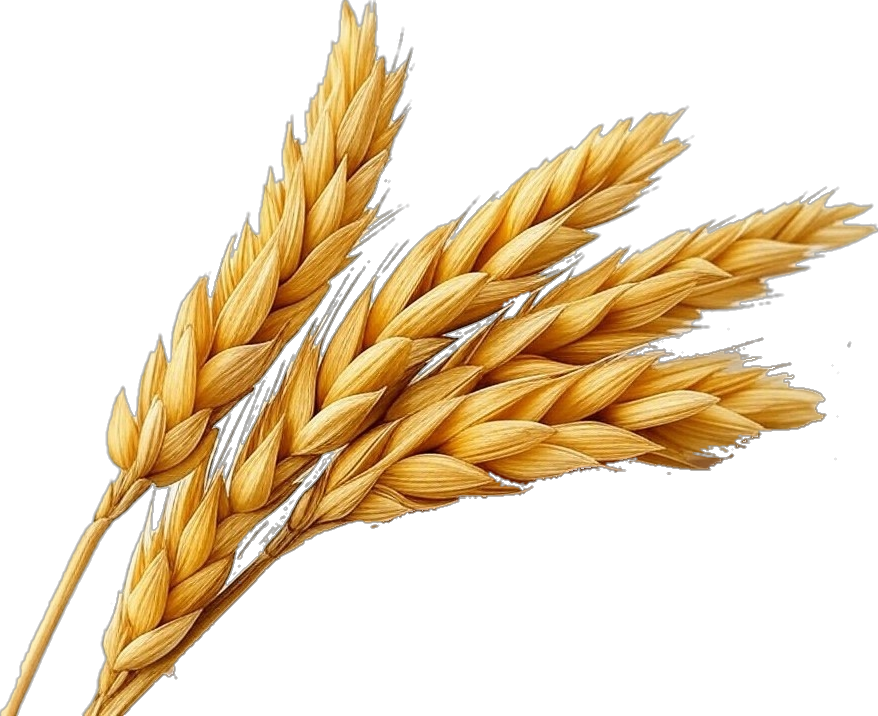
The team modelled a 1,000-cow dairy farm in the northeastern United States. Winter rye performed best among the tested plant feedstocks in their evaluated scenarios because its addition improved biogas yield and project economics.
In the best-performing co-digestion scenario, the amount of capital support required to reach break-even fell to as little as 4%, compared with around 47% for manure-only digestion. These percentages describe assumptions in an engineering and financial model, not guaranteed government subsidies or measured returns at farms.
Energy markets can change the outcome
The researchers compared electricity generation with renewable natural gas production. Larger systems improved the economics of renewable natural gas but could make electricity production less attractive under the scenarios evaluated.
Their findings show that the optimal design depends on feedstock cost and yield, the scale of the digester, access to energy markets and policy incentives. Simply maximizing methane output may not maximize profit.
Why the research matters
Winter rye can be planted as a cover crop between cash crops in suitable rotations. It may supply biomass without necessarily requiring a separate new field, although harvesting it has agricultural costs and logistical implications.
The study's transparent models and datasets are available for adaptation to other farm sizes and regions. Commercial investors would still need local engineering estimates and financial due diligence before treating the results as an investment case.
Primary source
https://www.psu.edu/news/research/story/mixing-plant-material-manure-may-be-key-profitable-biogas-production



Comments