
Côte d’Ivoire Targets 2027 EU Mango Return With CFA3.5 Billion Fruit-Fly Plan

Côte d’Ivoire has committed CFA3.5 billion to a national fruit-fly control programme intended to restore mango exports to the European Union for the 2027 season. The plan was announced on October 15 by the country’s Ministry of Agriculture, more than two months after EU-bound shipments were suspended on August 1 following pest interceptions.
The crucial distinction is that the market has not reopened. The government is financing orchard treatment, surveillance and tighter exporter controls, then plans to submit a revised compliance system and an independent audit to the European Commission. The EU will decide whether the evidence is sufficient. For growers and buyers, 2027 is therefore a target, not a guarantee.

A concentrated export market turns interceptions into a national risk
The figures released by the ministry explain why the suspension matters beyond one harvest. Côte d’Ivoire produces about 180,000 tonnes of mangoes a year and normally sends roughly 35,000 tonnes to the EU. That means the EU channel alone absorbs about 19.4% of national production. Because it accounts for more than 80% of all mango exports, there is no comparably large alternative destination ready to replace it immediately.
The ministry says the value chain supports nearly 100,000 people and generates more than CFA7 billion in producer income during a campaign. That income is exposed not only when fruit cannot cross a border, but earlier: exporters become more selective, packing stations operate below capacity, and growers face a short marketing window for a highly perishable crop. Fruit that misses export specifications can move into local or regional markets, but usually under different price, logistics and shelf-life conditions.
This concentration is the structural weakness the recovery plan must confront. A destination that takes four-fifths of exports also has leverage to demand consistent, national-level controls. Individual farms or packing houses cannot solve that alone if pest monitoring, treatment records and traceability are uneven across the wider production zone.
What CFA3.5 billion is supposed to buy
The government programme covers phytosanitary treatment across 20,000 hectares in nine producing regions and the deployment of more than three million fruit-fly traps before the next flowering period. Dividing the headline budget by the treated area gives an indicative programme intensity of CFA175,000 per hectare. Spreading three million traps evenly would imply about 150 traps per hectare, although actual placement should vary by orchard density, pest pressure and the surveillance design.
Those calculations are not procurement prices or guarantees of effectiveness. They are a way to test the scale of the announcement. The programme is large enough to be national rather than a demonstration plot, but its value depends on timely installation, trap maintenance, accurate recording of captures and treatment coverage before fruit matures. A trap count without credible monitoring data would not answer the import authority’s concern.
The budget is also equivalent to half of the ministry’s stated benchmark of more than CFA7 billion in producer income per campaign. That comparison shows why public intervention can be economically rational, while also underlining the cost of repeated non-compliance. If the programme merely buys one season of access without changing field and packing practices, the same trade risk could return.
The exporter and packing-station reset
Côte d’Ivoire is narrowing participation in the 2027 campaign. According to the ministry, 15 exporters and nine packing stations have been excluded, while 33 exporters and 34 stations have been retained. Air shipments also remain suspended. The government has created a national monitoring and security unit and placed the mango sector under the regulatory oversight of the Cotton, Cashew and Shea Council.
This is more than a farm-treatment plan. It is an attempt to reduce weak links across the chain: orchard registration, harvest-lot identity, transport to approved stations, sorting and packing, phytosanitary inspection, certification and final dispatch. Excluding operators may reduce short-term capacity, but retaining facilities without reliable traceability would weaken the entire systems approach submitted to the EU.
For exporters that remain eligible, compliance costs will probably rise. Records, sampling, rejected-lot handling and audit preparation require staff and working capital. The commercial question is whether the cost is shared transparently or pushed back to growers through lower farm-gate prices. Smaller operators may also struggle if access to approved packing infrastructure becomes more concentrated.
Why fruit-fly control is a trade issue, not only a farm issue
Fruit flies are quarantine pests because larvae can travel inside apparently marketable fruit. Border interception is therefore evidence about a shipment, but repeated interceptions can also signal a system that is not reliably reducing risk before export. The importing market is concerned with the probability that a live pest reaches orchards and establishes, not simply with the cosmetic quality of the mango.
That changes the economic chain. Field sanitation and monitoring affect pack-house acceptance; pack-house controls affect certification; certification affects whether shipping, airfreight and retail programmes can be booked. Once access is suspended, even compliant growers lose options because buyers need dependable national clearance and predictable volumes. The cost appears first in rejected fruit and idle packing capacity, then in weaker contracts and lost shelf space.
What must happen before 2027 shipments can resume
The government says it will send the European Commission a revised systems approach and commission an independent audit. A convincing submission will need to show more than purchased traps. It should demonstrate which orchards were covered, when treatments occurred, what surveillance detected, how non-compliant farms and stations were handled, and how export lots can be traced back through the chain.
The timeline is tight because biological and commercial clocks overlap. Measures must be in place before flowering and fruit development, while exporters and European buyers need enough advance confidence to plan contracts, packaging, freight and retail promotions. A late technical clearance could still leave part of the crop without an export programme.
The strongest near-term evidence will be operational: published treatment coverage, verified trap-monitoring results, completion of the independent audit, acceptance of the revised protocol by the Commission and a formal decision permitting shipments. Until those milestones are documented, claims that the market has reopened would be premature.
Who bears the risk if access remains closed
Growers face the most immediate exposure because mangoes cannot be stored indefinitely while a regulatory process unfolds. Packing houses and exporters then face lower throughput and stranded fixed costs. Air-cargo providers lose a seasonal product, while European importers may secure volumes from competing origins. If those buyers establish reliable alternatives, Côte d’Ivoire may have to win back programmes even after regulatory access returns.
Domestic and regional markets can absorb some fruit, and processors may take suitable volumes, but those channels do not automatically replace the specifications or economics of fresh EU exports. The policy challenge is therefore dual: restore the high-value channel while building more diversified outlets so that a future phytosanitary event does not again threaten most of the export business.
Indicators to watch
The percentage of the 20,000-hectare target actually treated before the next flowering period.
Verified deployment and maintenance records for the three million-plus traps, not only purchase totals.
Publication of independent audit findings and corrective actions for failed farms, exporters or stations.
A formal European Commission decision on the revised systems approach and any conditions attached to reopening.
Whether excluded operators are replaced, remediated or permanently removed, and how packing capacity changes.
Confirmed 2027 buyer programmes, freight bookings and farm-gate prices after any regulatory clearance.
Methodology and source
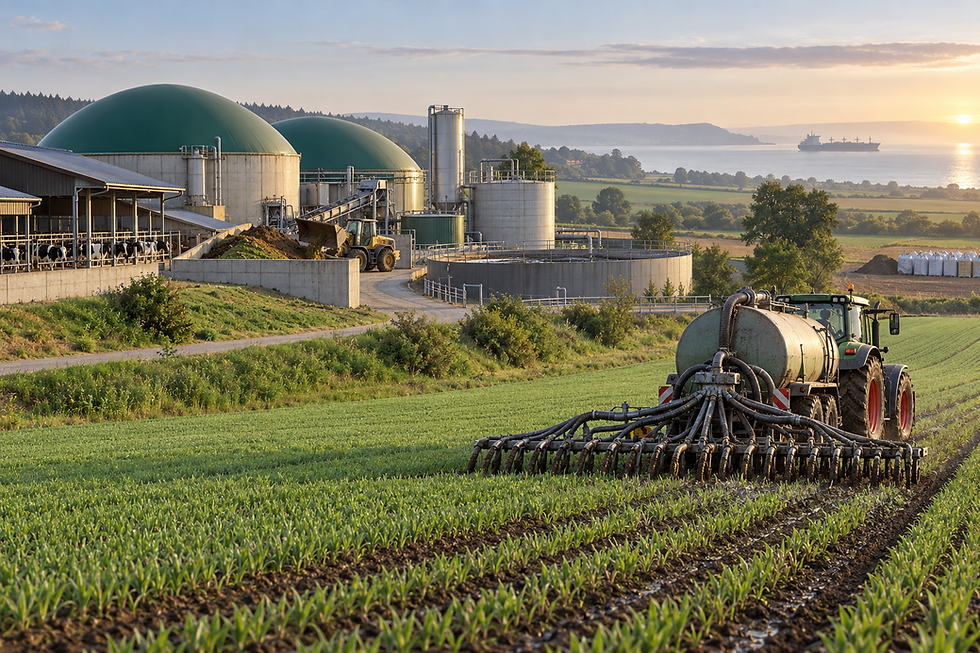
This article uses the October 15, 2026 announcement by Côte d’Ivoire’s Ministry of Agriculture as the primary source. Agrilinkage calculated the EU share of national production (35,000 divided by 180,000), the indicative budget per treated hectare (CFA3.5 billion divided by 20,000), and the illustrative trap density (three million divided by 20,000). Figures described by the ministry as approximate or minimum values remain labelled that way. The illustration is original and conceptual.



Comments