
WFP Expands Yemen Food Response as 18 Million Face Acute Insecurity

Updated: Oct 7
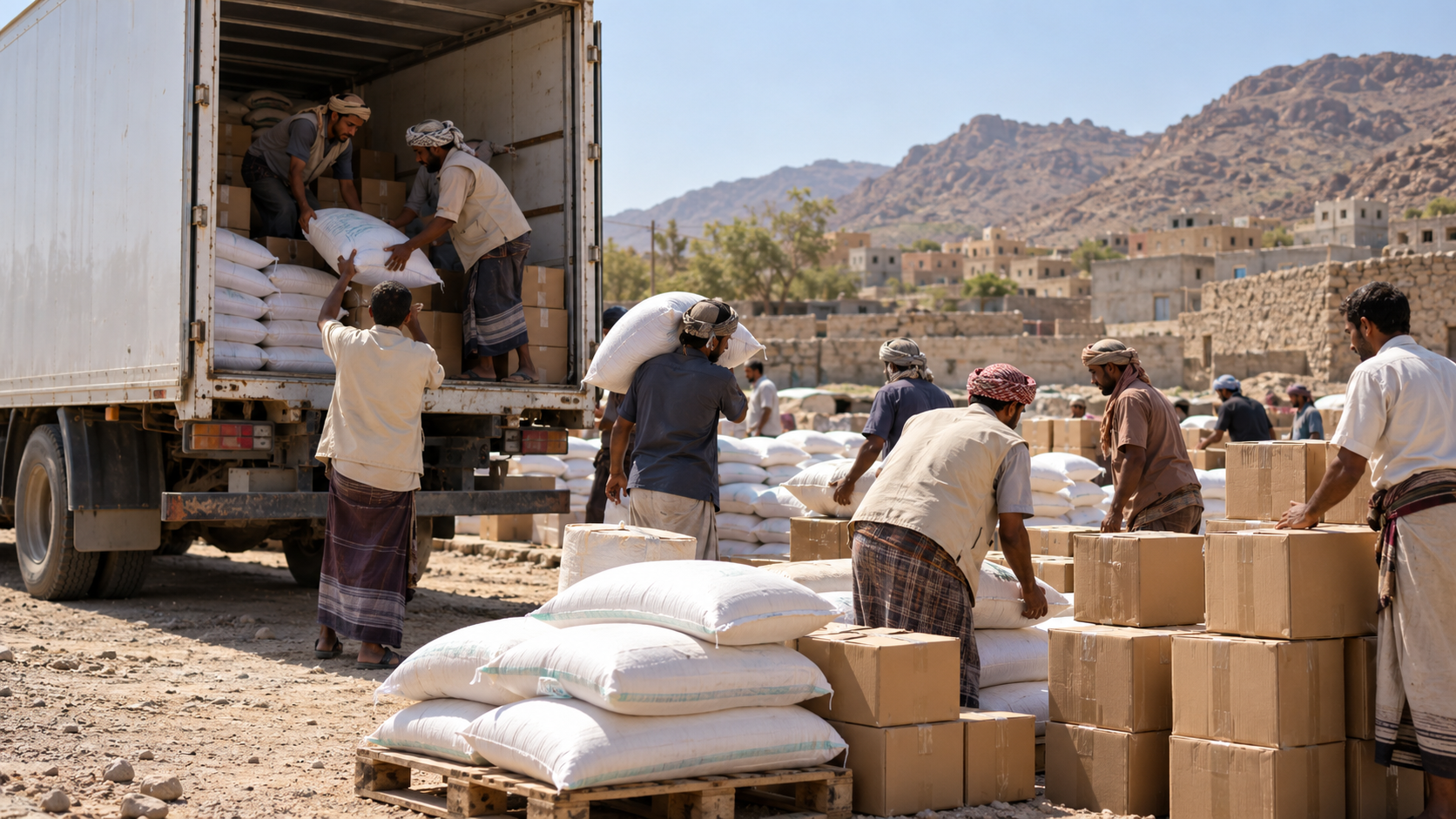
The World Food Programme is expanding its emergency response in Yemen after renewed fighting displaced more than 120,000 people inside the country and pushed thousands more to cross the Red Sea. Acting Executive Director Carl Skau said the agency had already supported about 60,000 people with hot meals and food commodities and was building a supply pipeline capable of reaching hundreds of thousands more.
The escalation has killed nearly 700 people and injured thousands, according to United Nations figures reported this week. For food operators, the immediate challenge is not limited to distributing emergency rations. Newly displaced families are arriving in camps and communities whose storage, health and water systems were already under severe strain.
Yemen entered the latest crisis with more than 18 million people facing acute food insecurity. Around 2.2 million children younger than five are acutely malnourished, according to WFP data, leaving the population unusually exposed to interruptions in staple foods, fuel and basic health services.
Import dependence makes the supply chain especially fragile. Skau said roughly 90 percent of Yemen's food is imported, so interruptions at ports and airports can quickly affect the availability of wheat flour, rice, cooking oil and other essentials. Even when food exists in international markets, damaged transport links, port delays and higher fuel costs can stop it from reaching households.
Humanitarian access is another constraint. WFP says it cannot operate normally in Houthi controlled areas, where its offices have been occupied, assets confiscated and United Nations personnel detained. That limits the agency's ability to assess needs, move supplies and monitor distribution in parts of the country.
Funding is also tightening the response. WFP says its operations are severely underfunded, forcing reductions in life saving assistance while the number of people needing support rises. A larger pipeline therefore depends on both physical access and new financial commitments from donors.
The commercial and policy lesson is that Yemen's food crisis is a logistics emergency as much as a production emergency. Port continuity, foreign exchange availability, inland trucking capacity and safe warehouse access determine whether imported food can move from ships to markets and relief centres.
The next indicators to watch are the operating status of Red Sea ports, humanitarian access agreements and the pace of donor funding. Without improvement on those fronts, additional displacement could turn an already severe food security problem into a much larger regional supply and humanitarian crisis.




Comments