
Milk Makes Staphylococcus aureus Cell Envelope Three Times Thicker, INRAE Study Finds

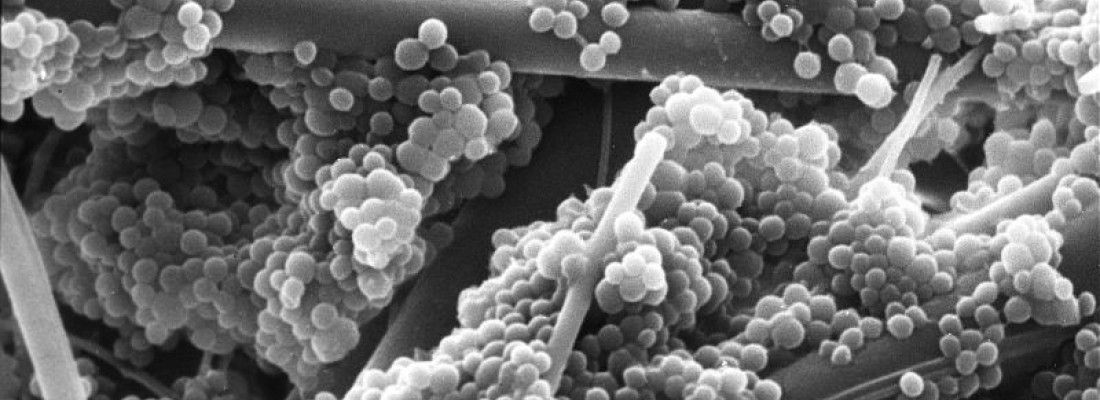
Staphylococcus aureus changes its physical structure dramatically when it grows in milk, according to new research coordinated by INRAE and ENS Paris Saclay that could improve understanding of persistent dairy cow mastitis.
The researchers found that the bacterium incorporates lipids from milk directly into its membrane, producing a cell envelope around three times thicker than when it is grown in serum or standard laboratory media.
The milk grown bacteria also produced more pigment and showed greater resistance to oxidative stress, characteristics associated with survival inside the host and with bacterial virulence.
In laboratory testing, cells adapted to milk were also more robust when exposed to the antibiotics examined by the research team, suggesting that the growth environment can influence how the pathogen responds to treatment.
That matters for dairy production because S. aureus is a major cause of mastitis, an udder infection that can reduce milk output, increase veterinary costs and lead to culling when infections become chronic.
The work shows why experiments performed only in conventional laboratory media can miss important features of a pathogen's behaviour inside the environment it actually encounters on a farm.
The researchers say the findings may help explain why some S. aureus mastitis infections are difficult to eliminate and could support future work on treatment protocols that better account for the milk environment.
The study was published in Communications Biology. It does not establish a new treatment recommendation by itself, but it provides a mechanistic explanation for how milk can make the bacterium physically tougher and more resilient.


Comments