
LCA Food 2026 Brings Food Footprints, Packaging and Farm Emissions to Montréal
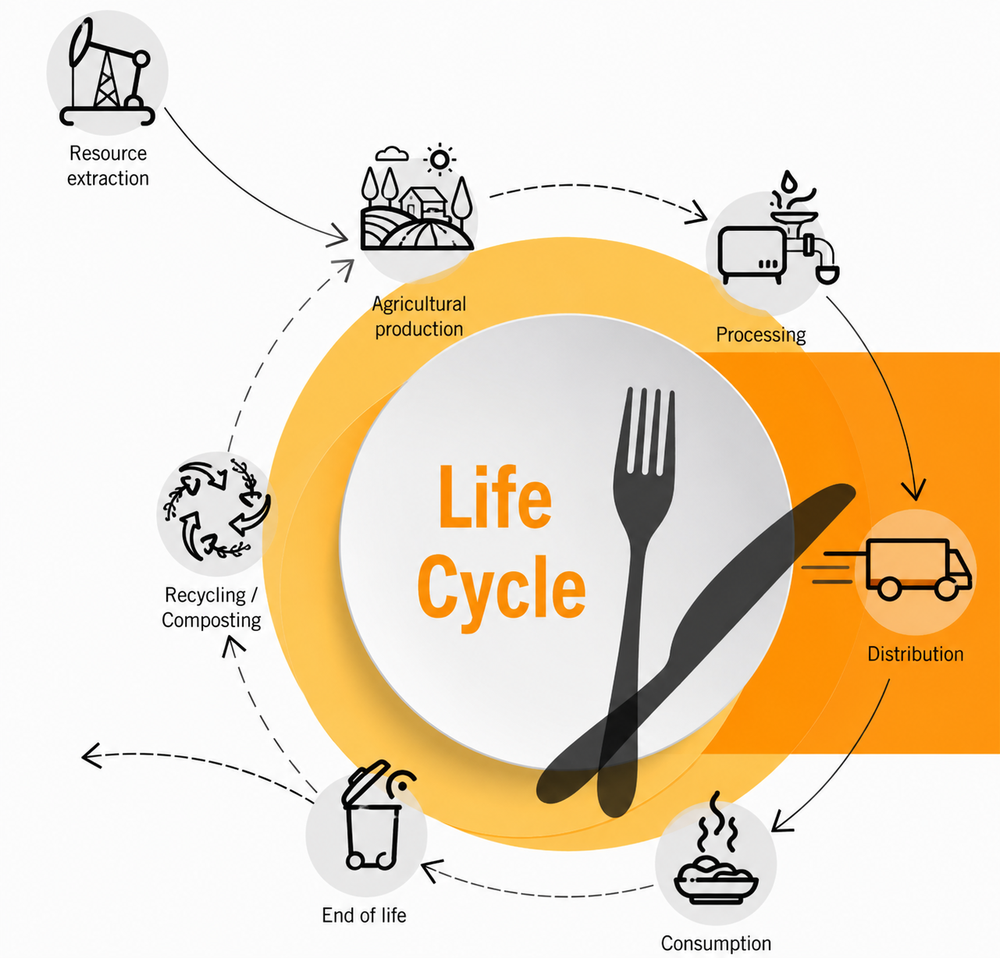
LCA Food 2026 will bring researchers, food companies and public institutions to Montréal from October 12 to 15 for the fifteenth edition of the international conference on life-cycle assessment in food systems. The official programme places farm emissions, packaging, biodiversity, supply chains, nutrition and emerging production technologies inside the same measurement framework.
The conference is scheduled at the DoubleTree by Hilton Montréal, with workshops on October 12 and plenary and parallel sessions from October 13 to 15. Organizers also list a separate day of social activities on October 16. The event is chaired by Anne-Marie Boulay of CIRAIG and Polytechnique Montréal.
Packaging joins the conference agenda
Food packaging is a new subject area for the 2026 edition. That addition broadens the traditional focus on agricultural production and processing to include materials, transport, product protection and end-of-life choices. For manufacturers and retailers, the practical challenge is comparing packaging’s environmental burden with the food waste it can prevent rather than treating either issue in isolation.
The wider programme is organized around eight themes: methods; data and tools; sustainable diets and nutrition; food systems and supply chains; sustainable food production; communication and implementation; circularity; and innovative production systems and products. Topics range from deforestation and land-use change to aquaculture, advanced processing, novel proteins, soil microbiomes and environmental labelling.
Ten workshops move from theory to operating tools
Ten workshops are scheduled for October 12, including three full-day sessions and seven half-day sessions. Full-day training covers the INRAE-CIRAD MEANS platform, the IMPACT World+ life-cycle impact method and best practices for farm greenhouse-gas calculators. The published rates are C$550 for a full-day workshop and C$275 for a half-day workshop.
Half-day sessions address plastic footprints, regionalized feed data, regenerative agriculture, growing media, social life-cycle assessment, biodiversity and international harmonization of food eco-labelling. Organizers identify researchers and specialists from INRAE, CIRAIG, the OECD and the Global Feed LCA Institute among the workshop contributors.
Why the meeting matters commercially
Life-cycle assessment increasingly sits behind procurement standards, corporate climate targets, product-footprint claims and environmental labels. Yet results can change when analysts use different system boundaries, databases or allocation methods. A conference that brings methodology, data quality and communication into the same programme is therefore relevant to companies deciding which claims can withstand scrutiny.
The event also connects environmental accounting with nutrition and supply-chain resilience. Its sustainable-diets track examines how food quality and environmental impacts can be assessed together, while the circularity track covers food loss, waste, packaging and resource efficiency. The innovative-systems theme adds urban agriculture, new proteins, advanced processing and emerging crop and livestock practices.
For delegates, the useful distinction is between measuring an impact and proving a better decision. LCA Food 2026 is designed around both tasks: improving the underlying methods and translating results into actions for businesses, regulators and consumers. Registration, workshop booking and the searchable programme remain available through the official conference website.


Comments