

FDA Finds Cyclospora in Mexico Lettuce Supply Chain After 12,883-Case Outbreak
Federal investigators have found Cyclospora cayetanensis in environmental samples connected to the Mexican iceberg-lettuce supply chain implicated in the largest documented U.S. outbreak of the parasite. The outbreak sickened 12,883 people in 21 states, hospitalized 570 and was associated with two deaths, according to the Centers for Disease Control and Prevention.
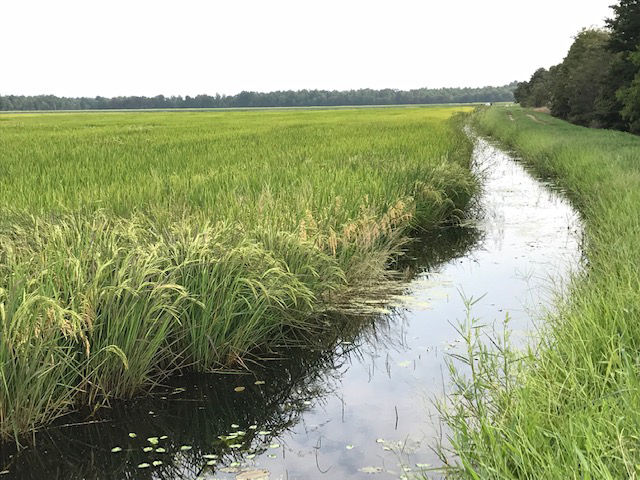
The new evidence sharpens the supply-chain picture without establishing a single, proven contamination route. Investigators detected the parasite in wastewater at a Taylor Farms de Mexico processing facility and in a drainage ditch associated with an independent grower, according to the Food and Drug Administration's final investigation update. Finding the organism in those locations supports the broader traceback, but it does not by itself show exactly when or how individual heads of lettuce became contaminated.
CDC declared the outbreak over on September 11. Illnesses began on June 14 and continued through August 17, with more than 1,000 infections a day at the peak before reports fell to fewer than two a day in August. The actual number of illnesses was probably higher because many infected people recover without being tested and reporting can take weeks.
Epidemiologic interviews and product traceback converged on processed iceberg lettuce supplied by Taylor Farms de Mexico. The lettuce was sold through several food-service and retail channels, including meals served at Taco Bell locations. On July 17, Taylor Farms removed all iceberg lettuce sourced from central Mexico from the U.S. market. The affected product is no longer available in stores or restaurants, and public-health agencies say there is no continuing consumer risk from the recalled lots.
For produce businesses, the investigation shows why a recall can expand beyond a single package or restaurant. Shredded and processed lettuce is aggregated, washed, cut and distributed through networks that can connect many farms, facilities and customers. When the same ingredient moves through multiple branded and unbranded channels, investigators must combine patient interviews, purchase records and supplier documents before they can identify a common source.
Cyclospora is a microscopic parasite that causes cyclosporiasis, usually marked by prolonged watery diarrhea, loss of appetite, weight loss, cramping, bloating, nausea and fatigue. Symptoms can improve and then return if the infection is not treated. The parasite is not spread directly from one person to another immediately after it leaves the body; it must mature in the environment, which is why contaminated water, soil or fresh produce are central to outbreak investigations.
The environmental results also point to controls that extend beyond a packing line. Water management, grower sanitation, drainage, worker hygiene and verification of suppliers can all affect risk before lettuce reaches a processor. Taylor Farms said the independent grower connected to the drainage-ditch finding is no longer supplying the company and that its central Mexico facility remains closed while additional safeguards are evaluated. Those steps are company responses, not proof that investigators have identified the precise point of contamination.
The immediate health emergency has passed, but the commercial consequences remain. Importers, restaurant chains, fresh-cut processors and retailers will have to examine how quickly they can trace lettuce to a field and production date, how they verify water controls at contracted farms, and whether supplier records are detailed enough to isolate risk without removing an entire region's output from sale.
For consumers, the current message is limited and practical: the implicated lettuce is no longer on the market, so there is no reason to discard newly purchased iceberg lettuce because of this outbreak. Anyone who developed persistent watery diarrhea after eating lettuce during the outbreak period should contact a health professional and mention possible Cyclospora exposure, because routine stool testing does not always include the parasite.



Comments