
Canada Adds Seasonal Import Controls for Salinas Valley Romaine Lettuce

Updated: Oct 7
Canadian importers of romaine lettuce and salad mixes containing romaine face temporary licence conditions for products connected to California’s Salinas Valley from September 24 through December 17, 2026.
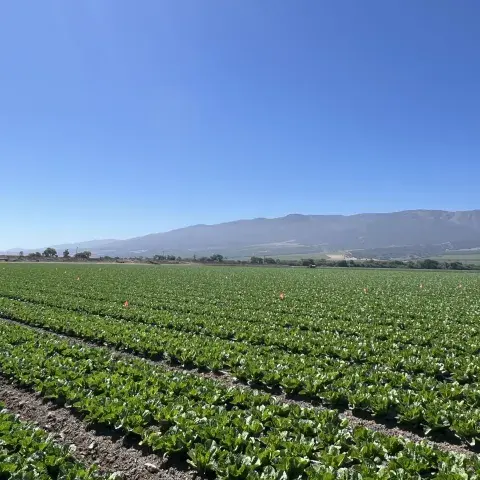
The Canadian Food Inspection Agency is again using a seasonal control period to reduce the risk of contamination with E. coli O157:H7. The requirements apply to romaine from Santa Cruz, Santa Clara, San Benito and Monterey counties, the principal counties identified with the Salinas Valley growing region.
Three compliance routes for importers
Importers that can demonstrate their product does not originate in the four named counties must obtain and retain valid proof of origin. That documentation supports clearance by showing the lettuce falls outside the targeted production area.
When valid origin proof is unavailable, the importer must instead retain evidence that its supplier is a member of the California Leafy Greens Marketing Agreement and is participating in the Romaine Test and Learn Program, a route the CFIA identifies as new for the 2026 harvest season.
The alternative is a certificate of analysis showing no detectable E. coli O157:H7. The document and testing pathway used must satisfy the licence conditions, so importers need to align suppliers, laboratories and shipment records before product reaches the Canadian border.
Commercial consequences for the leafy greens trade
The rule does not amount to a blanket prohibition on California romaine. It is a documentation and verification regime that raises the operational cost of shipments lacking clear traceability or approved programme participation. Exporters that prepare origin records and testing evidence before loading can reduce the risk of delays or rejected entries.
Retailers and foodservice distributors should also expect the requirements to influence supplier selection during the autumn Salinas season. Mixed salad products are included when they contain romaine, which means processors and packers must be able to trace the romaine component rather than relying only on the final product label.
The controls illustrate how seasonal food safety measures can become trade requirements. For growers and packers, participation in recognized prevention and testing programmes can preserve market access. For Canadian buyers, the key commercial task is ensuring that documentary evidence travels with the transaction and remains available for inspection.


Comments