
AgriLinkage confirms Empresas AquaChile S.A. as a direct source producer
If you represent Empresas AquaChile S.A., we invite you to claim this profile and share information to create the most complete and transparent supplier presence. If you've worked with Empresas AquaChile S.A., your review helps buyers worldwide make informed sourcing decisions.
Company Profile
What is Empresas AquaChile S.A.?
Empresas AquaChile S.A. operates as Chile's largest salmon producer and the world's second-largest Atlantic salmon farmer by harvest volume. According to company materials, the operation encompasses a fully integrated production model covering the complete salmon lifecycle, from genetics and freshwater hatchery operations through marine grow-out, feed manufacturing, processing, and global commercialization. Company documents indicate production capacity encompasses Atlantic salmon, Coho salmon (Pacific salmon), and rainbow trout across operations in southern Chilean Patagonia.
AquaChile represents the consolidated entity formed through the integration of four previously independent operations: the original AquaChile company, Exportadora Los Fiordos (owned by Agrosuper), Salmones Magallanes, and salmon assets from Grupo Pesquero Friosur. This integration, completed in 2019, positioned the combined entity as Chile's dominant salmon producer. Company materials state monthly production feeds approximately 150 million people globally, with distribution reaching more than 40 countries across North America, Latin America, Asia, and Europe.
The company's operational footprint spans five Chilean regions (Araucanía, Los Ríos, Los Lagos, Aysén, and Magallanes), covering 22 municipalities along Chile's southern coastline and interior Patagonian channels. According to 2023 company reporting, infrastructure includes 320 aquaculture concessions, 15 freshwater hatchery facilities, 6 processing plants, and one dedicated feed mill. The scope of these operations reflects the company's vertically integrated approach to production, maintaining control over genetics, nutrition, farming, harvesting, processing, and distribution.
Corporate Foundation
Empresas AquaChile S.A. operates as a privately held corporation under Chilean law. The company was listed on the Santiago Stock Exchange (Bolsa de Comercio de Santiago) from 2011 through early 2019, trading under ticker symbol AQUACHILE. Following a public tender offer, Agrosuper S.A., a Chilean food production conglomerate owned by the Vial family, acquired 99.71 percent ownership of AquaChile's voting shares in January 2019. The acquisition, valued at approximately $850 million, was declared successful on January 20, 2019, with control formally assumed at the first meeting of the new Board of Directors on January 22, 2019. Dissenting shareholders subsequently exercised withdrawal rights under Chilean corporate law, leaving Agrosuper with direct and indirect control of all voting shares.
Agrosuper S.A., the parent holding company, operates across multiple protein sectors including poultry, pork, turkey, and salmon production. Agrosuper's founding chairman, Gonzalo Vial, who passed away in January 2024, built the family holding into one of Chile's largest food production groups. Corporate headquarters are located in Puerto Montt, Los Lagos Region, Chile, positioning the company at the geographic center of Chilean salmon farming operations.
The contemporary AquaChile entity emerged from significant industry consolidation. In August 2018, prior to the Agrosuper acquisition, AquaChile purchased Salmones Magallanes and Pesquera Eden from Grupo Gálmez for $255 million, adding approximately 40,000 metric tons of annual production capacity. Concurrently, Agrosuper's subsidiary Los Fiordos acquired salmon farming assets from Grupo Pesquero Friosur, including one hatchery, 12 farming sites, 20,000 metric tons of production capacity, and processing facilities. These strategic acquisitions and subsequent integration created the platform for AquaChile's current market position.
The company's Board of Directors, as documented in its 2022 Integrated Report, includes ten members representing Agrosuper and the Vial family interests. Leadership positions include José Guzmán as President and Sady Delgado as General Manager. Company materials indicate total employment of approximately 5,000-6,000 workers across production facilities, processing plants, hatcheries, and administrative offices, though this figure fluctuates with seasonal harvesting requirements.
Production Infrastructure
AquaChile's production model reflects full vertical integration across the salmon lifecycle. Company operations are geographically distributed across southern Chile's regions, with distinct facility types serving specific production stages.
Freshwater Operations
According to company disclosures, AquaChile operates 15 freshwater hatcheries (pisciculturas) distributed across La Araucanía, Los Ríos, Los Lagos, Aysén, and Magallanes regions. These facilities serve dual functions: broodstock management and smolt production. The company maintains dedicated broodstock centers for both Atlantic salmon and Coho salmon, enabling proprietary genetic selection programs utilizing genomic tools and molecular markers. Company materials describe ongoing genetic improvement initiatives focused on growth rates, disease resistance, flesh quality, and production efficiency metrics.
Several hatcheries employ recirculating aquaculture systems (RAS), reducing freshwater consumption by approximately 95 percent compared to traditional flow-through systems. The Hollemberg facility, as documented in sustainability reports, operates entirely on desalinated seawater since 2022, eliminating river water extraction. The Pargua transfer center similarly utilizes a desalination plant for smolt operations. These systems represent the company's transition toward land-based technologies that minimize environmental impact on freshwater ecosystems.
In 2019, following the completion of the integration process, AquaChile voluntarily ceased utilizing 12 lake-based farming concessions located in Lakes Rupanco, Llanquihue, Chapo, Riesco, and Los Palos, redirecting production to marine sites and enhanced land-based hatchery capacity. Company statements indicated this decision aligned with environmental stewardship commitments and investment in modern recirculation technology.
Marine Grow-Out Operations
Company documents indicate AquaChile controls 320 marine aquaculture concessions across coastal fjords and channels in Los Lagos, Aysén, and Magallanes regions. In 2023, the company operated 72 active grow-out centers, with site selection determined by water temperature, salinity, current velocity, depth, and environmental carrying capacity. Farming operations occur in open-water net pen systems positioned in fjords and protected channels where cold Antarctic currents from the Humboldt system provide optimal growing conditions.
According to production data, the company harvested approximately 247,279 metric tons of salmon biomass in 2023 across all species. Site management protocols include fallowing (resting) periods between production cycles to allow seabed recovery, stocking density controls to manage fish welfare and water quality, and environmental monitoring programs measuring benthic conditions, dissolved oxygen, and waste deposition.
Operational areas are distributed across multiple geographic zones: Los Lagos Region hosts 26 grow-out centers concentrated in coastal waters around Chiloé Island and continental fjords. Aysén Region contains 75 centers, representing the company's largest concentration of marine farming sites, positioned throughout the extensive fjord systems of Chilean Patagonia. Magallanes Region operations include 11 centers in the southernmost waters near the Strait of Magellan, where premium Verlasso-branded salmon is cultivated.
Processing and Feed Manufacturing
AquaChile operates 6 processing plants strategically located to service production zones. Major facilities are documented in Quellón (Chiloé Island), Puerto Chacabuco (Aysén), Puerto Aysén, Calbuco (Los Lagos), and Puerto Natales (Magallanes). These plants perform harvesting reception, primary processing, filleting, portioning, smoking, freezing, and packaging operations. Processing capacity allows the company to deliver fresh, frozen, and value-added salmon products to global markets within hours of harvest.
The company maintains one dedicated salmon feed mill, enabling production of proprietary nutritional formulations. According to company statements, since 2022, 100 percent of seawater-stage feed is manufactured in-house, allowing precise control over ingredient sourcing, nutritional composition, and quality standards. Company materials emphasize that feed formulations incorporate sustainably sourced marine ingredients, plant proteins, omega-3 enriched microalgae, and fish by-products from non-salmon species, achieving fish-in-fish-out ratios below 1:1 for certain product lines. Feed conversion ratios reportedly improved by approximately 5 percent between 2021 and 2023 through nutritional optimization.
Innovation and Technology Infrastructure
The company operates the AquaChile Innovation Center (Centro de Innovación ATC) and dedicated laboratory facilities supporting research and development initiatives. These facilities conduct bioassays, genetic analysis, feed trials, disease diagnostics, and environmental monitoring. Company materials describe ongoing projects focused on vaccination development (including live vaccines for piscirickettsiosis), alternative protein sources for feed, RAS technology optimization, and environmental impact reduction strategies.
Product Portfolio
AquaChile produces three primary salmonid species, marketed under multiple brand designations depending on quality tier and target market.
Atlantic Salmon (Salmo salar)
Atlantic salmon constitutes the company's dominant species, representing approximately 60-65 percent of total production volume. Products are available in multiple formats including whole fish, fillets with or without skin, portions, steaks, trim pieces, and smoked preparations. Processing options encompass fresh (chilled), frozen (IQF and block), and value-added presentations. Company documentation indicates Atlantic salmon production across all regional operations, with specific farming sites selected based on growth performance targets and market quality requirements.
Coho Salmon / Pacific Salmon (Oncorhynchus kisutch)
Coho salmon production represents approximately 30-35 percent of harvest volume. This species, also called Pacific salmon or silver salmon, exhibits different flesh color, texture, and flavor characteristics compared to Atlantic salmon. Primary markets for Coho salmon include Japan, where the species commands premium pricing, along with export to other Asian markets and North America. Product forms mirror Atlantic salmon offerings: whole fish, fillets, portions, and frozen products.
Rainbow Trout (Oncorhynchus mykiss)
Rainbow trout constitutes a smaller production segment. The species is marketed fresh and frozen in various formats, serving both domestic Chilean markets and export destinations. Specific production volumes for rainbow trout are not disaggregated in publicly available company reporting.
Brand Differentiation
The company markets salmon under distinct brand identities:
Verlasso: Represents AquaChile's ultra-premium brand. Launched in 2011, Verlasso salmon is positioned as a sustainability-focused product with documented carbon-neutral production achieved in 2022. The brand name derives from combining "verdad" (Spanish for truth) and "laccio" (Italian for connection). Verlasso salmon is cultivated in southern Magallanes region waters where the Humboldt Current provides pristine growing conditions. The brand emphasizes proprietary feed formulations incorporating omega-3-rich microalgae and non-salmon fish trimmings, achieving sub-1:1 fish-in-fish-out ratios. Verlasso holds ASC and BAP certifications and is marketed primarily in North American premium restaurant and retail channels, with recent expansion into Brazil, Asia, and Europe. Company materials document celebrity chef endorsements and marketing initiatives featuring chef Andrew Zimmern.
Aqua: Serves as the company's mainstream brand for Chilean domestic retail markets. Products emphasize freshness, convenience, and accessibility for family consumption. The brand is distributed through company-owned retail outlets in Santiago, Puerto Montt, and Aysén, alongside wholesale channels.
AquaChile: Functions as the corporate brand for B2B sales, commercial relationships, and standard export products where brand differentiation is not specified by the buyer.
Certifications & Quality Standards
Mandatory Certification Disclaimer: The following certifications are referenced in company materials and certification databases. AgriLinkage has not independently verified current validity, scope, or compliance status. Certification standing can change based on audit outcomes. Buyers requiring certified products should request current documentation directly from the supplier and verify validity with issuing bodies.
AquaChile maintains multiple third-party certifications addressing environmental sustainability, food safety, quality management, and social responsibility:
Aquaculture Stewardship Council (ASC)
ASC certification is issued by the Aquaculture Stewardship Council, an independent organization founded in 2010 by the World Wildlife Fund (WWF) and the Dutch Sustainable Trade Initiative (IDH). ASC standards for salmon farms address seven principle areas: legal compliance and regulatory conformance, conservation of natural habitat and biodiversity, protection of water resources and water quality, responsible management of fish feed and other resources, management of fish health and welfare with minimal disease treatment inputs, social responsibility including labor rights and community engagement, and disease and pest management. Company materials indicate multiple grow-out centers hold ASC certification. The certification is valid for three years subject to annual surveillance audits. ASC-certified products are primarily demanded by European and North American markets.
Best Aquaculture Practices (BAP)
BAP certification is administered by the Global Aquaculture Alliance (GAA). The BAP program certifies entire aquaculture production chains including hatcheries, grow-out facilities, processing plants, and feed mills. Standards address four "pillars of responsibility": environmental responsibility (minimizing ecosystem impacts, responsible effluent management, conservation of biodiversity), social responsibility (worker health and safety, community relations, labor rights), animal health and welfare (stocking densities, health monitoring, humane handling), and food safety and traceability (contamination prevention, product tracing systems). BAP certification is recognized by both the Global Sustainable Seafood Initiative (GSSI) and the Global Food Safety Initiative (GFSI). Company reporting indicates 12 grow-out centers received BAP certification in January 2018, with subsequent expansions. BAP employs a "star rating" system, with certifications ranging from 2-star (single production stage) to 4-star (entire chain from hatchery through processing).
GLOBALG.A.P.
GLOBALG.A.P. certification is managed by Food Plus GmbH, a German-based non-profit organization. The standard establishes protocols for Good Agricultural Practices across primary food production, including aquaculture. Certification covers food safety requirements, environmental protection measures, worker health and safety, and animal welfare considerations. GLOBALG.A.P. certification facilitates market access to European retail chains and food service providers requiring demonstrable supply chain controls.
ISO 9001
ISO 9001 is an international standard for quality management systems administered by the International Organization for Standardization (ISO). Certification demonstrates implementation of systematic approaches to quality assurance, process consistency, customer satisfaction, and continuous improvement. Company materials reference ISO 9001 certification, though specific facility scope is not detailed in public disclosures.
Additional Certifications
Company documentation references participation in the Global Salmon Initiative (GSI), an industry leadership coalition of salmon farming companies committed to advancing environmental and social sustainability. AquaChile is identified as a founding member of GSI. The company also maintains various food safety certifications required by importing jurisdictions, though specific standards (such as HACCP, BRC, FSSC 22000) are not exhaustively detailed in available public materials.
Certification status applies to specified facilities and products. Buyers should verify current certification scope, validity dates, and audit results directly with certification bodies and the company before making purchase commitments dependent on certified status.
Markets & Distribution
AquaChile distributes salmon products to more than 40 countries across five continents through a combination of direct commercial offices and regional sales teams.
Export Markets
North America: The United States constitutes AquaChile's largest single export market, representing approximately 35-40 percent of sales volume according to industry data on Chilean salmon exports. Products enter through established import channels serving retail supermarket chains, food service distributors, and restaurant groups. The Verlasso premium brand specifically targets North American upscale restaurants and specialty retail accounts. Company materials document a commercial office location in the United States supporting sales and logistics operations. Recent tariff developments have affected pricing dynamics, with company financial disclosures noting market adjustments in 2024-2025 response to U.S. trade policy changes.
Latin America: Brazil represents a major and rapidly growing market for Chilean salmon. Company reporting highlights Brazil as demonstrating significant demand growth with stable pricing through 2024. Products serve Brazil's expanding middle-class consumer base through retail chains and food service operations. Mexico similarly functions as an important Latin American destination. Domestic Chilean sales occur through three company-owned retail locations (tiendas) in Santiago, Puerto Montt, and Aysén, serving local consumers with fresh products.
Asia: Japan constitutes Chile's second-largest export destination overall and is the primary market for Coho salmon, which commands premium pricing in Japanese food service and retail sectors. AquaChile maintains a commercial office in Japan to support relationships with importers, distributors, and end customers. China similarly represents a significant market, with company materials documenting a commercial office in China and recent expansion of Verlasso brand distribution into Chinese premium channels. Export volumes to China have increased as the market develops acceptance of salmon in culinary applications.
Europe: Company materials reference sales teams operating in Spain, France, Switzerland, Germany, and Kazakhstan. European markets prioritize ASC-certified sustainable salmon, making certification a market access requirement. The Verlasso brand entered France through high-end restaurant distribution, representing expansion beyond the brand's traditional North American focus.
Russia: Historically represented a significant export market for Chilean salmon overall, though company financial reporting in 2024 noted substantial volume declines (approximately 45 percent reduction) due to geopolitical factors and economic conditions.
Distribution Infrastructure
AquaChile operates international commercial offices in strategic markets including the United States, Japan, and China. Regional sales teams function in Brazil and multiple European territories. The company's logistics capabilities support fresh product airfreight to distant markets and frozen product container shipments. Vertically integrated operations allow harvest-to-processing cycles measured in hours, maximizing product freshness for premium market positioning. The Verlasso brand specifically emphasizes "harvest upon order" operational models, where farming sites harvest salmon only when orders are confirmed, ensuring maximum shelf life at retail or restaurant destination.
Sustainability Initiatives
Disclaimer: The following represents publicly stated initiatives documented in company materials. Independent verification of implementation would require third-party assessment.
According to company sustainability reporting and integrated reports, AquaChile implements various environmental and social programs:
Carbon Neutrality: The Verlasso brand achieved carbon-neutral production status in 2022, as documented through partnership with sustainability consultancy GreenTicket. The company conducted carbon footprint measurement via Environmental Product Declaration (EPD) methodology, then implemented emission reduction initiatives across Verlasso farm sites, processing operations, and logistics. Remaining emissions are offset through recognized carbon credit mechanisms. Verlasso became the first salmon brand globally to achieve carbon-neutral production according to company marketing materials.
Antibiotic Reduction: Company reporting documents implementation of live vaccine programs for piscirickettsiosis (SRS disease) prevention beginning in 2022. Materials claim a 75 percent reduction in SRS-related mortality comparing 2023 to 2022. Antibiotic usage reportedly declined to 162 grams per metric ton of production in 2023. These efforts align with Project Yelcho, a Chilean industry-government collaboration involving 11 major producers representing 90 percent of Chilean Atlantic salmon production focused on reducing antibiotic dependency through improved fish health management.
Water Management: The Hollemberg hatchery operates entirely on desalinated seawater since 2022, eliminating freshwater extraction from rivers. The Pargua transfer center similarly utilizes desalination for smolt operations. RAS technology deployed at multiple hatcheries reduces freshwater consumption by approximately 95 percent through recirculation and filtration systems. Company materials state all water used in terrestrial operations receives treatment before discharge to comply with Chilean environmental regulations.
Lake Concession Withdrawal: In 2019, AquaChile voluntarily ceased operations at 12 lake-based farming concessions (Rupanco, Llanquihue, Chapo, Riesco, Los Palos), redirecting production to marine sites and enhanced hatchery infrastructure. Company statements presented this as environmental stewardship responding to concerns about lake ecosystem impacts from aquaculture.
Feed Sustainability: Company nutrition programs incorporate alternatives to wild-caught fish meal and fish oil, utilizing plant proteins, algae-derived omega-3 sources, and by-products from non-salmon fish processing. The Verlasso brand specifically achieves fish-in-fish-out ratios below 1:1, meaning less wild fish input than farmed fish output. This represents significant advancement from historical aquaculture models dependent on wild fish reduction.
Packaging Innovation: Verlasso products transitioned from expanded polystyrene (EPS) packaging to 100 percent recyclable cardboard boxes for fresh salmon distribution beginning in January 2023. Company materials describe this as a Chilean salmon industry first, reducing packaging environmental footprint while maintaining product quality and cold chain integrity.
Community Engagement: Company reporting documents social programs benefiting approximately 61,000 individuals in 2022, including educational scholarship programs, infrastructure development in rural communities, emergency response support (such as wildfire fighting equipment donations), and local supplier development initiatives.
Regulatory Context and Industry Challenges
Chilean salmon farming operates under regulatory oversight from multiple government agencies. The National Fisheries and Aquaculture Service (Sernapesca) enforces health, sanitary, and traceability requirements. The Superintendence of the Environment (Superintendencia del Medio Ambiente, SMA) administers environmental compliance and can impose sanctions for regulatory violations. The Environmental Evaluation Service (SEA) reviews environmental impact assessments for new projects or substantial modifications to existing operations.
Industry publications have documented regulatory enforcement actions affecting multiple Chilean salmon producers, including AquaChile. Environmental oversight has intensified regarding issues such as production volumes exceeding authorized technical project levels, operations in protected areas, antibiotic usage reporting, and benthic impact management. Buyers conducting due diligence should review current regulatory compliance status with Chilean authorities and assess how operational challenges might affect supply reliability.
The Chilean salmon industry collectively participates in self-regulatory initiatives including the Clean Production Agreement (Acuerdo de Producción Limpia) focused on climate change mitigation and circular economy principles. Trade associations such as the Chilean Salmon Marketing Council coordinate export promotion and market development activities. AquaChile is documented as a founding member of the Global Salmon Initiative (GSI), participating in collaborative sustainability standard advancement.
Financial Performance Indicators
Public financial data for AquaChile exists through parent company Agrosuper's consolidated reporting and historical disclosures during AquaChile's period as a publicly traded entity. Specific metrics should be verified directly with the company for current accuracy.
Company materials indicate 2024 revenues of approximately $1.65 billion across nine months (January-September period), representing growth of 11.2 percent compared to the equivalent 2023 period. EBITDA for January-September 2024 reached approximately $160 million with margins of 13.3 percent. Fourth quarter 2024 preliminary results showed revenues of approximately $438 million and EBITDA of $61 million with 14 percent margins, bringing estimated full-year 2024 revenues to approximately $1.66 billion and EBITDA to approximately $221 million.
Historical data shows 2023 harvest volumes of approximately 247,279 metric tons across all species. Production volumes fluctuate based on biological cycles, ocean conditions, fish health, and strategic decisions regarding harvest timing and size profiles. The company's market position as Chile's largest producer translates to approximately 25 percent of Chilean industry production, according to industry association data.
Financial performance is influenced by multiple factors including global salmon prices (determined by Norwegian and Chilean supply levels, currency exchange rates, and demand in major markets), biological performance (fish health, growth rates, mortality events), regulatory compliance costs, feed ingredient prices, freight and logistics costs, and competitive positioning. Buyers should request current financial disclosures and creditworthiness assessments when entering commercial relationships.
Information Currency and Verification
This company profile reflects publicly available information from AquaChile corporate websites (es.aquachile.com, en.aquachile.com), Agrosuper financial reports, Santiago Stock Exchange historical filings, Chilean trade and fisheries statistics, industry publications (SeafoodSource, IntraFish, SalmonExpert, AquaHoy), certification organization databases, and Chilean regulatory agency disclosures. Time-sensitive data including production volumes, facility counts, certifications, ownership structures, and financial metrics reflect information available as of January 2025 and may change.
Certification validity and compliance status can change based on audits and operational changes. Buyers requiring certified products should request current documentation from the supplier and verify validity with certification bodies (ASC, BAP, GLOBALG.A.P.).
AgriLinkage has not conducted independent verification of operational capabilities, facility conditions, regulatory compliance status, or product quality claims. Commercial parties should conduct independent due diligence appropriate to their transaction requirements. Site visits, third-party audits, product sampling, legal compliance reviews, and financial creditworthiness assessments are recommended before significant purchase commitments.
Chilean regulatory agencies maintain public databases of aquaculture concessions, sanitary status, and enforcement actions. Potential commercial partners may wish to review these records directly with Sernapesca, SMA, and SEA.
Accessing Current Information
For current product availability, specifications, pricing, and terms, buyers should contact AquaChile directly through official corporate channels. The company website provides contact information for commercial inquiries at es.aquachile.com/contacto or en.aquachile.com/contact.
Commercial parties are encouraged to specify their certification requirements, volume needs, product formats, delivery destinations, and quality parameters when initiating discussions with suppliers. Clear communication of buyer expectations facilitates efficient supplier assessment and prevents misunderstandings during negotiation processes.
Conclusion: AquaChile's Position in Global Salmon Production
Empresas AquaChile S.A. occupies the position of Chile's largest salmon producer and one of the world's leading salmon farming companies by harvest volume. The company's fully integrated operational model encompassing genetics, hatcheries, marine farming, feed manufacturing, processing, and global distribution provides control across the production value chain. Operations spanning five Chilean regions with 320 marine concessions, 15 hatcheries, and 6 processing plants support production capacity of approximately 240,000-250,000 metric tons annually across Atlantic salmon, Coho salmon, and rainbow trout.
The company's portfolio serves diverse market segments from commodity frozen products to ultra-premium fresh Verlasso salmon. Multiple third-party certifications including ASC and BAP address buyer requirements for documented sustainability and food safety. Distribution reaches more than 40 countries, with significant market positions in the United States, Japan, Brazil, and expanding presence in China and Europe.
Buyers evaluating AquaChile as a potential supplier should consider the company's scale, operational integration, certification portfolio, and market positioning alongside verification of current production capacity, regulatory compliance status, financial stability, and capability to meet specific product and delivery requirements. This profile provides background on the company's operations and market position, but current engagement requires direct contact to confirm availability, capabilities, and commercial terms. Independent due diligence including site inspections, certification verification, product sampling, and reference checks is appropriate for commercial relationships involving significant volumes or long-term commitments.
Product Portfolio

Tilapia
Freshwater tilapia low-calorie fish rich in protein, minerals and essential vitamins.

Fresh Rainbow Trout Fillets
Boneless rainbow trout fillets.

Fresh Atlantic Salmon Fillets
Boneless Atlantic salmon fillets, skin-on or skinless options.
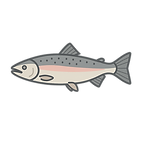
Verlasso Salmon
Ultra-premium Atlantic salmon brand with carbon-neutral production, raised in Patagonia

Frozen Coho Salmon Fillets
Frozen boneless Coho salmon fillets.

Fresh Atlantic Salmon - Whole Fish
Whole gutted Atlantic salmon in various weight grades.

Fresh Atlantic Salmon - Head-On Gutted (HOG)
Atlantic salmon with internal organs removed, gill cavity cleaned, head intact.

Frozen Atlantic Salmon Fillets
Atlantic salmon fillets, skin-on or skinless, in various trim levels.
Verification Status
Documentation requirements and current submission status
1
Legal & Regulatory Compliance
0 of 12 points
No product documentation submitted yet
Strong foundation, complete remaining items for full score
Business Registration Certificate
Official document proving legal existence
Not yet uploaded.
Proof of legal business registration from your country's business registry or relevant government authority.
Acceptable Documents
Certificate of Incorporation, Business Registration Certificate, Articles of Association, Company Extract from Business Registry
Tax Identification / VAT Certificate
Tax ID, VAT number, or equivalent for your country
Not yet uploaded.
Official tax registration document from your country's tax authority proving you are registered for tax purposes.
Acceptable Documents
VAT registration certificate, Tax ID certificate, EIN letter (USA), GST registration (India), TIN certificate, RFC (Mexico), or equivalent tax authority documentation from your country
Years in Continuous Operation
Documentary proof of operational history
Not yet uploaded.
This verifies your business longevity and stability. Points awarded based on years in operation: 1-2 years = 1 point, 3-5 years = 2 points, 6-10 years = 3 points, 10+ years = 4 points.
Acceptable Documents
Historical business registration certificates showing founding date, audited financial statements covering multiple years, business anniversary documentation, official company history from business registry, trade licenses showing initial issue date, or equivalent documents proving your operational history
Certification Overview
Quality, safety, and compliance certifications held by this supplier.

No verified certification
This supplier has not yet claimed their profile or submitted certification documentation. Certification details will appear here once verified.
Browse Similar Suppliers
Other verified salmon producers you might be interested in
Photo Gallery
Real photos from supplier and verified customers

Help Build the World's Most Trusted Agricultural Network
Have you worked with GrainCo France or know someone who has? Your review helps verify suppliers, protect buyers, and build transparency in global agricultural trade.
Customer Reviews
Review Verification: All reviews require proof of purchase. Only buyers who can verify they purchased this specific product from this supplier can leave reviews.
N/A
No Reviews for This Supplier
Product Quality
N/A
Communication
N/A
Delivery Timeliness
N/A
Value for Money
N/A
?
No reviews yet
Be the first to review this supplier
Awaiting first review
Reviews can only be submitted by verified buyers who have completed transactions. Each review requires proof of purchase to ensure authenticity and build trust in our marketplace.
Product Quality
N/A
Communication
N/A
Delivery Timeliness
N/A
Value for Money
N/A
Q&A
Previous Questions
No questions yet. Be the first to ask!
Ask a question
⏳ Awaiting response
Date
Q:
What is your minimum order quantity for fresh salmon fillets?
A:
Our minimum order quantity is 500kg. We offer flexible packaging options and can accommodate specific size requirements for larger orders.
Questions & Answers

